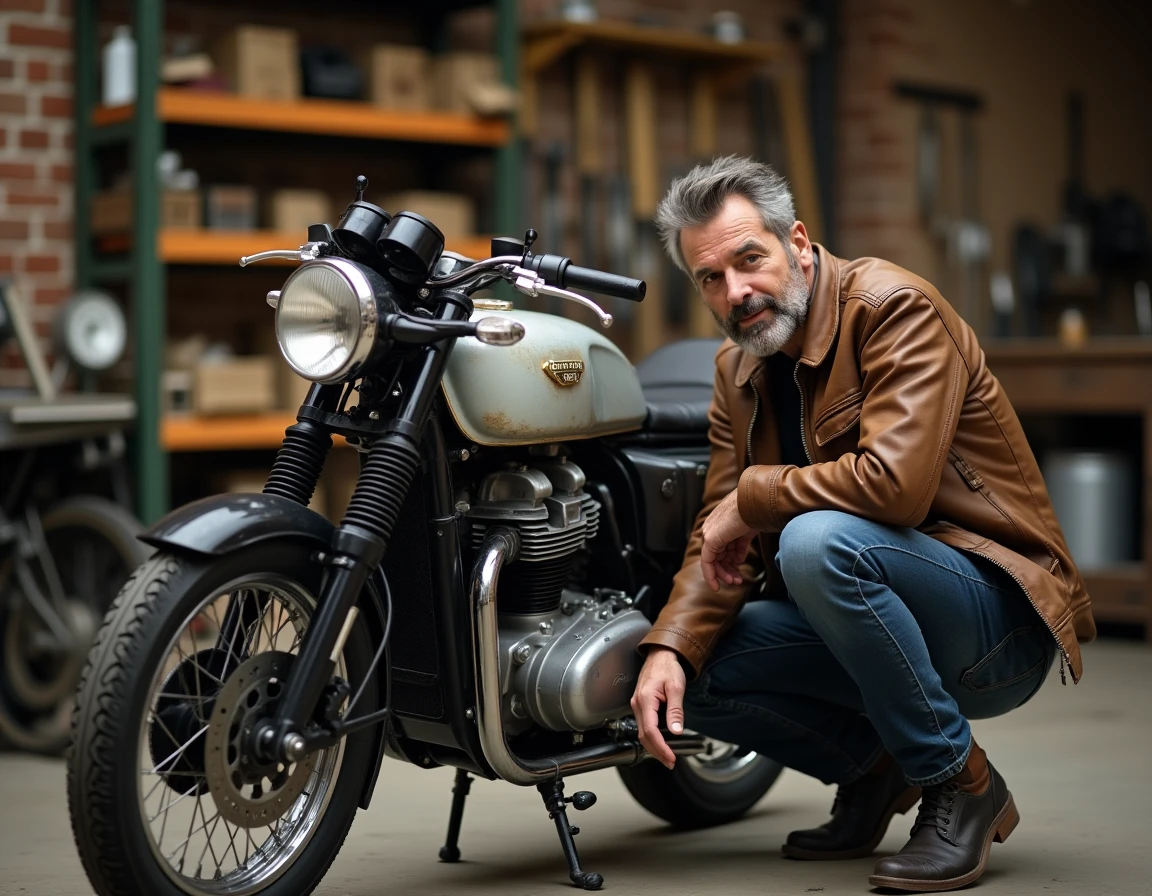
Choosing a vintage motorcycle means deciding between a classic machine and a contemporary neo-retro one. Both share an aesthetic but differ in parts availability, maintenance costs, and everyday reliability. This guide compares these two approaches to establish the important selection criteria, then details often overlooked preservation practices.
Classic Motorcycle or Neo-Retro: Comparative Table of Selection Criteria
The distinction between a true vintage motorcycle (manufactured before the 1980s) and a recent neo-retro model is not just about the purchase price. It involves maintenance ease, parts accessibility, and long-term heritage value.
| Criterion | Classic Vintage Motorcycle | Modern Neo-Retro |
|---|---|---|
| Parts Availability | Depends on the model, often limited to specialized networks | Active manufacturer catalog, parts in stock |
| Mechanical Reliability | Variable, requires mechanical skills or a good preparer | Electronic fuel injection, ABS, current standards |
| Customization Potential | High (cafe racer, scrambler, bobber), but beware of irreversible modifications | Widely available vintage-compatible accessories |
| Resale Value | Can increase if restoration is documented and reversible | Standard depreciation of a recent vehicle |
| Annual Maintenance Cost | Higher (rare parts, specialized labor) | Comparable to a standard motorcycle in the same segment |
This table shows that the choice depends on the time spent in the workshop. A classic requires a real mechanical commitment. A neo-retro offers style without that constraint.
Enthusiasts who document their research and compare mechanical bases find useful resources on motorcycleboy.fr, especially to identify models suited to each usage profile.
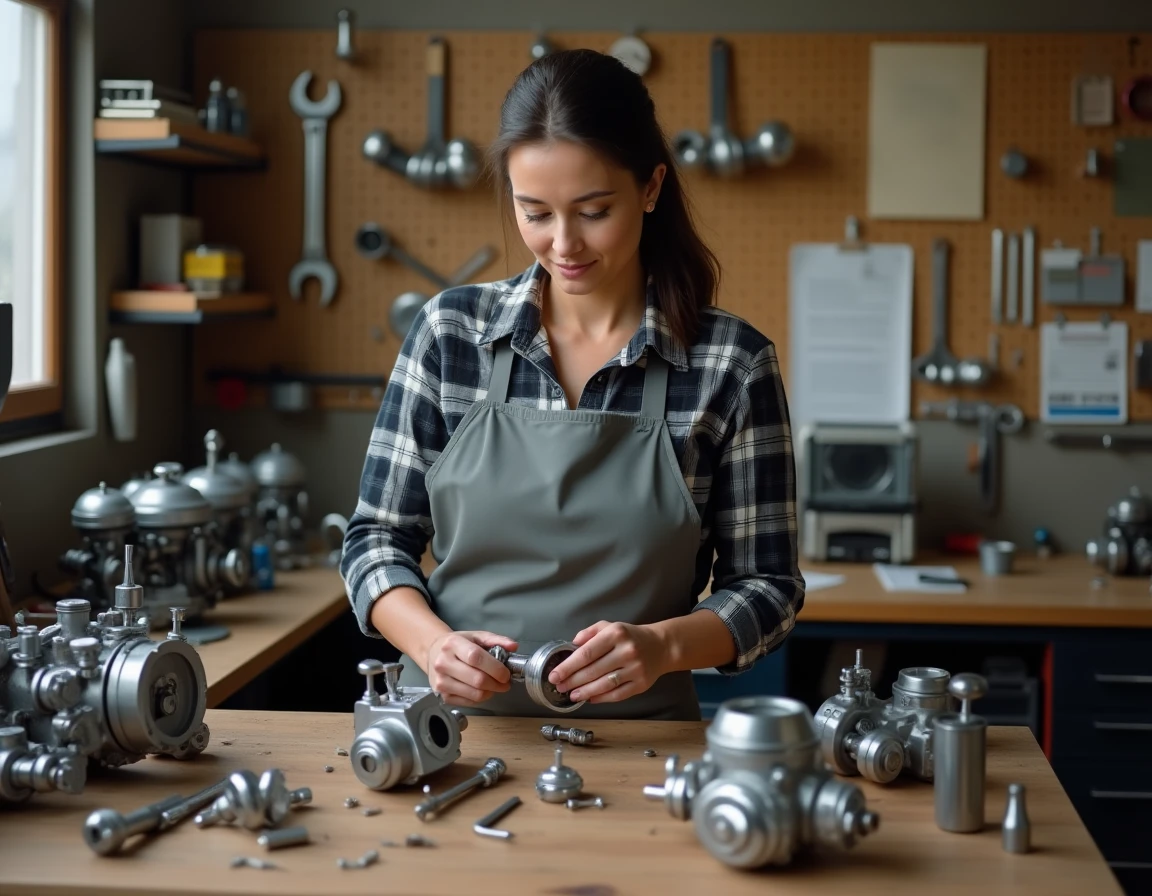
Reversible Restoration: An Underestimated Criterion for Vintage Motorcycles
Competitors talk about tools and routine maintenance. They overlook a central angle in the vintage scene: reversible restoration.
The principle is simple. Every intervention on the motorcycle must be able to be undone without damaging the original part. Replacing a tank with a custom version is one thing. Cutting a frame to weld a new rear loop is another.
Why Reversibility Changes the Game
A vintage motorcycle with documented and reversible modifications retains its historical traceability. When reselling, the buyer can verify the original condition of the frame, engine, and body elements. An irreversible modification decreases heritage value, even if the work is aesthetically successful.
Homologation also comes into play. Technical inspections and collector’s registration require compliance checks. A modified frame without documentation complicates these procedures.
- Keep original parts removed, labeled, and stored dry, to revert to the initial configuration
- Photograph each stage of the restoration with date, part reference, and supplier
- Prefer bolting over welding when the structure allows, to keep the option of reversal
- Use vintage-compatible parts rather than irreversible custom adaptations
This approach requires more rigor, but it protects the investment over time.
Preventive Maintenance and Storage: Actions That Extend the Life of a Vintage Motorcycle
Visible mechanical maintenance (oil changes, brakes, chain) is covered by most existing guides. Preservation during periods of inactivity remains the weak point for most vintage motorcycle owners.
What Prolonged Immobilization Causes
Leaving a vintage motorcycle at the back of a garage for several months without preparation triggers a cascade of degradations. Gasoline stagnates and degrades the carburetor or injection circuit seals. Humidity attacks unprotected metal parts. Tires deform under static weight. The battery discharges and loses capacity.
Vintage preparation specialists report that most costly rebuilds they receive come from machines stored carelessly for a decade or more, not from machines that have been regularly ridden.
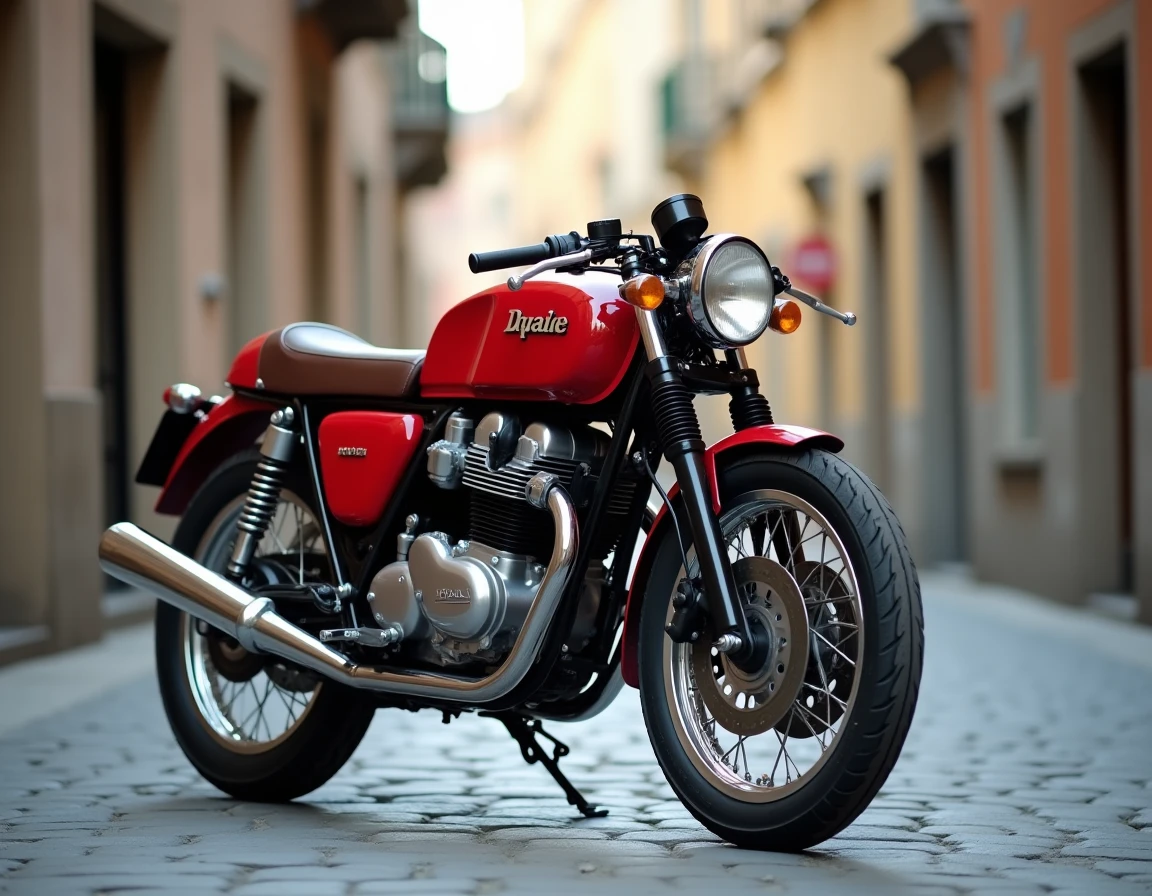
Conservation Protocol
A simple protocol significantly reduces these risks.
- Stabilize fuel with a dedicated additive, or completely drain the system if immobilization exceeds a few months
- Grease cables, lubricate the chain, and apply a protective film on chrome or painted surfaces
- Elevate the motorcycle on a workshop stand to relieve tires and suspensions
- Disconnect the battery or connect it to a low-intensity trickle charger
- Cover the motorcycle with a breathable cover (no plastic tarp, which traps moisture)
A vintage motorcycle that is regularly ridden is maintained better than one that sleeps. Seals remain supple, fluids circulate, bearings turn. Even a short ride each month makes a measurable difference in overall condition.
Vintage-Compatible Accessories: A Market That Changes the Equation
The market for so-called “vintage-compatible” parts and accessories has significantly developed. It now allows riding with a classic aesthetic without relying solely on hard-to-find period parts.
Manufacturers offer retro-style headlights, turn signals, seats, handlebars, and exhausts designed to fit modern or common classic bases. This market reduces dependence on original parts and facilitates customization in the style of cafe racers, scramblers, or bobbers.
However, not all accessories are created equal. Comfort and safety depend on choosing appropriate gear: a helmet that meets current standards with a vintage look, a leather jacket with built-in protection, reinforced gloves. Style does not exempt from protection.
The price question remains a determining factor. Vintage-compatible accessories generally cost less than authentic period parts but more than standard generic parts. The trade-off is between visual authenticity, budget, and everyday practicality.
The choice of a vintage motorcycle, whether classic or neo-retro, rests on a trade-off between available time for maintenance, parts budget, and actual usage. Preventive preservation and documentation of interventions remain the two most cost-effective actions in the long run, far more than any rare part found at a show.