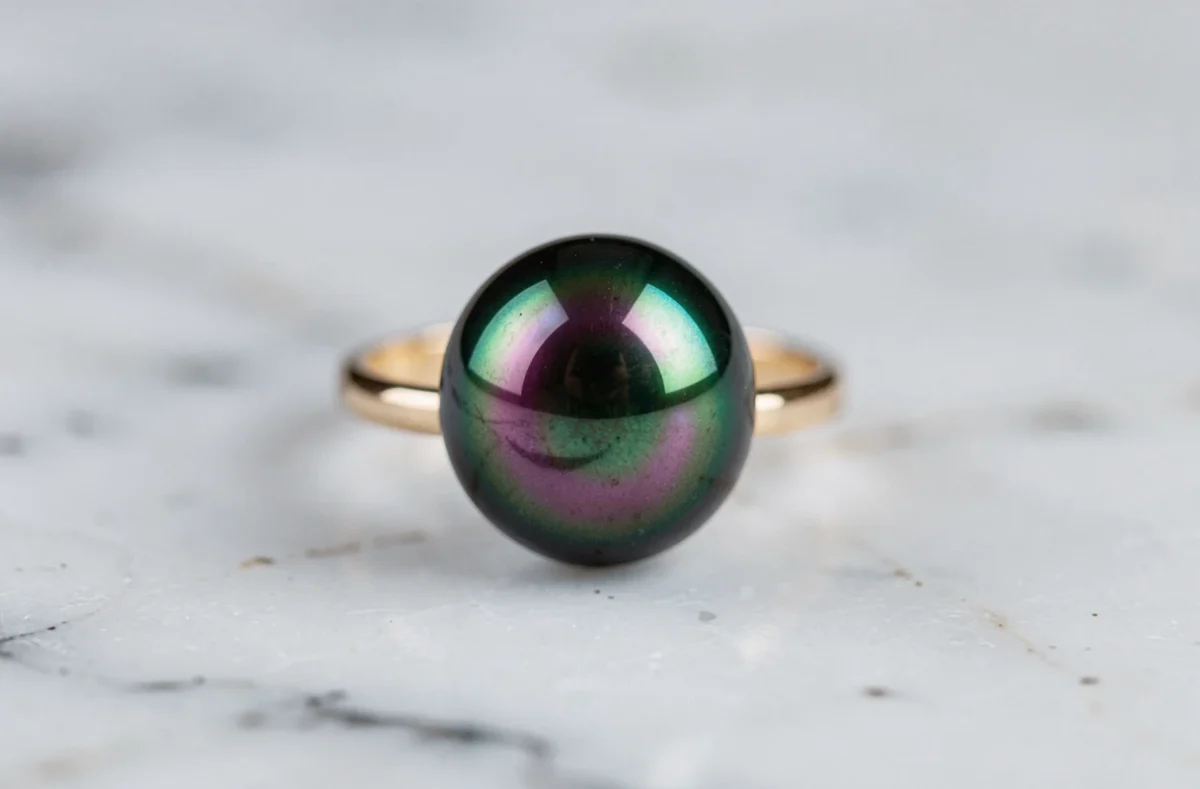
A Tahitian pearl is a cultured pearl produced in French Polynesia by the oyster Pinctada margaritifera. This precise biological and geographical origin influences both the color palette of the gem and its price. Associating this pearl with a gold setting to create a lasting piece of jewelry requires understanding what causes the price to vary, sometimes from simple to tenfold, between two seemingly similar pieces.
18-Carat Gold and Tahitian Pearl: Why the Metal Affects the Final Price
Most guides detail the criteria of the pearl itself. The choice of metal deserves equal attention, as it determines the longevity of the jewelry and a significant portion of its cost.
24-carat gold (pure gold) is too soft to set a pearl worn daily. 9-carat gold, which is less expensive, contains a higher proportion of alloy that makes it more susceptible to oxidation when in contact with nacre. 18-carat gold offers the best compromise between mechanical strength and chemical stability for jewelry intended to last for decades.
When evaluating the price of a Tahitian pearl set in jewelry, the portion of metal varies depending on the type of piece. A pendant requires little gold, while a bracelet or necklace with a crafted clasp consumes much more. Therefore, the gold price influences the final cost unevenly depending on the chosen jewelry category.

Quality Criteria for a Tahitian Pearl: What Separates Two Gems of the Same Diameter
Six gemological parameters determine the market value of a Tahitian cultured pearl. Knowing them helps avoid overpaying for an average gem or underestimating a beautiful piece.
Shape and Surface
A perfectly round pearl is the most sought after and the most expensive, as it remains statistically rare in harvests. Semi-round, oval, drop, or baroque shapes are more common and therefore less expensive, but an exceptionally lustrous baroque can be worth more than a dull round.
The surface is judged by the number and visibility of natural inclusions (pits, stripes, bumps). The fewer apparent defects on the surface, the more valuable the pearl.
Luster, Nacre Thickness, and Size
The luster refers to the intensity and clarity of the light reflection on the surface of the pearl. High luster produces a mirror-like effect, indicating dense and well-crystallized nacre. The nacre thickness, measured in millimeters around the nucleus, influences both the luster and the durability of the gem over time.
Size, expressed in diameter, directly affects the price. The larger the diameter, the longer the pearl required a cultivation time and a favorable survival rate of the oyster.
Color and Orient
The palette of Tahitian pearls ranges from silver-gray to deep black, including green, aubergine, or peacock blue shades. The most sought-after color on the market remains peacock green with rosy reflections, but the valuation of a hue also depends on demand and jewelry trends. The orient, this subtle iridescence that shifts on the surface, adds extra value when it is well visible.
Treatments and Disclosure: A Often Overlooked Precaution at Purchase
The term “Tahitian pearl” guarantees a Polynesian origin and a specific oyster species, but it says nothing about any post-harvest treatments. However, several interventions exist in the cultured pearl trade:
- Dyeing modifies or intensifies the natural color of the nacre, which can mislead the buyer about the actual rarity of the hue.
- Irradiation alters the crystalline structure to change the color, sometimes resulting in an unstable outcome over time.
- Coating or chemical polishing enhances the apparent luster without changing the intrinsic quality of the nacre.
Requesting in writing from the seller whether the pearl has undergone treatment is a precaution directly useful for assessing the actual value of the jewelry. Professional references like CIBJO recommend disclosing these interventions, even though specific legal obligations vary from country to country.
A treated pearl without disclosure complicates resale or subsequent evaluation. Keeping the detailed invoice, the description of the pearl, and any information about potential treatments is a minimum to protect the jewelry’s heritage value.
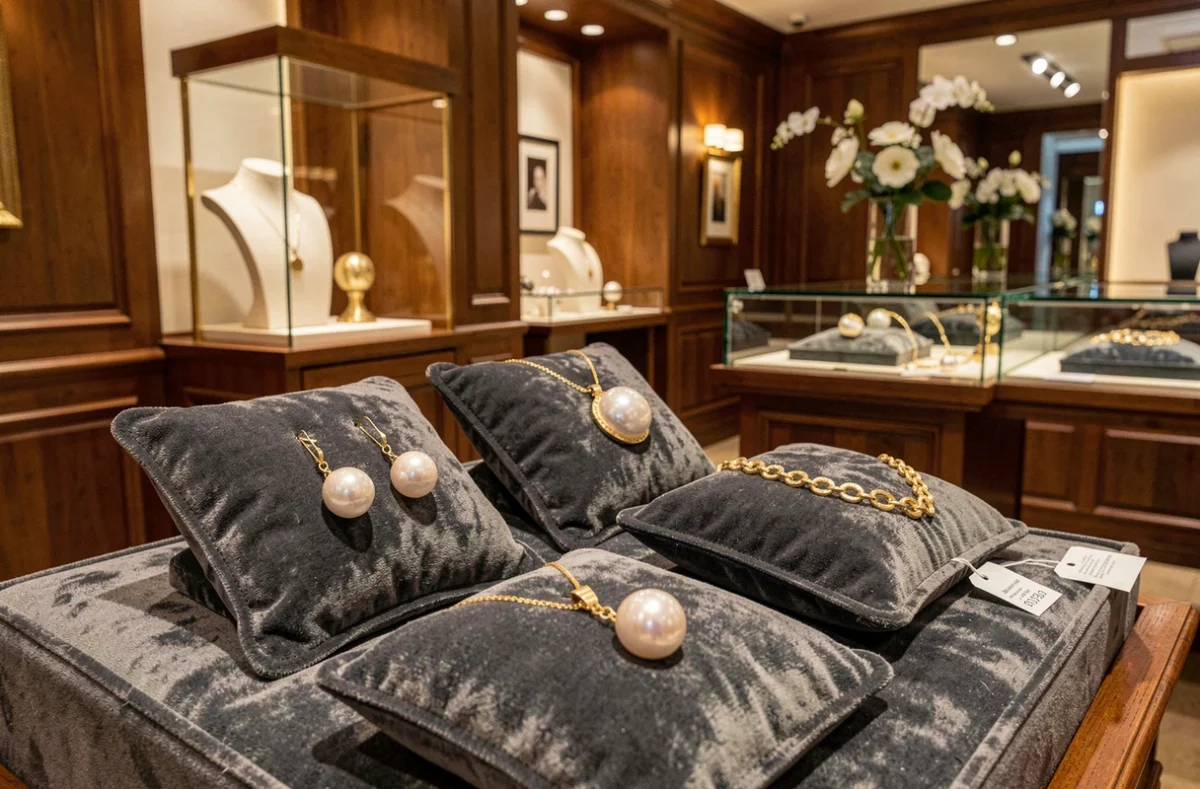
Actual Budget by Type of Tahitian Pearl and Gold Jewelry
Price ranges vary significantly depending on the category of jewelry, mainly because the number of pearls to match increases the difficulty and cost.
An 18-carat gold pendant with a single high-quality pearl represents the most accessible entry price. Earrings require a matching pair in size, shape, color, and luster, which raises the price compared to two pearls bought separately.
A necklace multiplies the matching constraint: gathering several dozen homogeneous pearls in quality requires sorting through much larger harvest volumes. This is the main reason why a complete necklace can cost ten times the price of a pendant with a pearl of equivalent diameter.
For a first purchase focused on durability, a pendant or a pair of earrings in 18-carat gold allows for a combination of setting quality and pearl quality without reaching the budgets of multi-pearl pieces.
Maintenance of a Tahitian Pearl Jewelry: Preserving Nacre and Gold Daily
Nacre is an organic material sensitive to acids, solvents, and dehydration. A few simple rules extend the beauty of the jewelry:
- Apply perfume, hairspray, and cream before wearing the jewelry, never after, to avoid direct chemical contact with the pearl.
- Wipe the pearl with a soft, slightly damp cloth after each use to remove sweat, as its acidity can attack the nacre over time.
- Store the jewelry away from other pieces to avoid scratches, ideally in a soft fabric pouch.
- Have the setting checked by a jeweler every two to three years, especially for claw settings that may loosen.
18-carat gold does not tarnish when in contact with water, but cleaning with warm soapy water is sufficient. Ultrasonic baths, common for other gems, should be avoided for pearls: vibrations can crack the nacre or detach the surface layers.
The price of a Tahitian pearl and gold jewelry depends as much on the care taken in the initial choice (pearl quality, traceability of treatments, gold content) as on regular maintenance. A well-selected and properly maintained piece of jewelry retains its shine and heritage value for several generations.