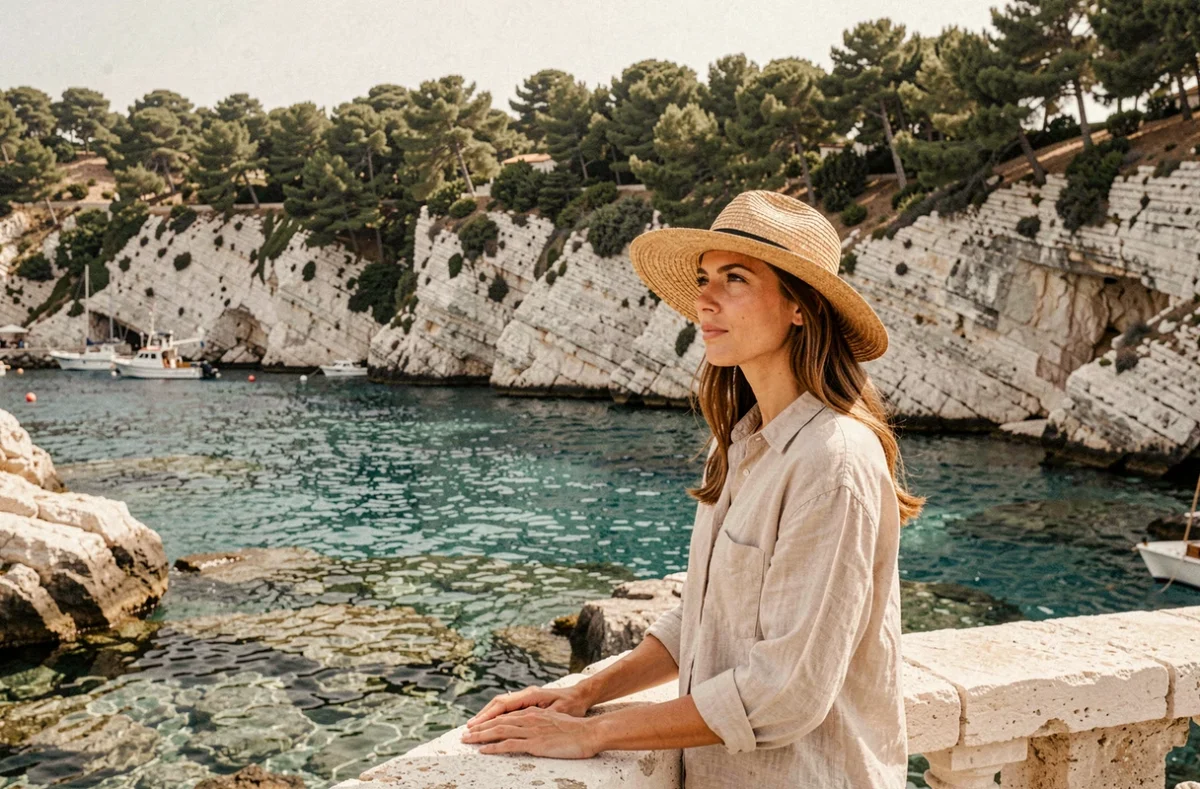
Choosing a travel destination this year is not just about ticking off a list of trendy countries. An increasing number of travelers are considering avoiding popular spots when they expect heavy crowds. Interest in lesser-known alternatives and off-season departures is clearly on the rise.
This observation changes the way we select our vacations. Instead of rushing to the same saturated spots, we can travel better by shifting our dates or choosing neighboring destinations that are under less pressure.
Travel destinations and tourist pressure: a criterion to check before booking
Have you ever noticed that some iconic places lose their charm when crowds flock there? It’s not just an impression. Several highly sought-after destinations are now directly regulating access to their natural sites, with daily quotas or mandatory reservations for hiking trails.
In practical terms, this means that a poorly planned trip can result in being denied access on-site. Checking access restrictions before booking has become as important as comparing flight prices.
Off-season travel is a direct response to this problem. Visiting a Greek island in May rather than August, exploring Vietnam in September, or hiking in the Swiss Alps in June: shifting by a few weeks transforms the experience. Accommodations are cheaper, locals are more available, and the landscapes remain unspoiled.
To compare travel conditions according to periods and countries, the resources compiled on travel-destination.net help cross-reference practical data before finalizing your choice.
Traveling in Southeast Asia off-season: Vietnam and less crowded alternatives
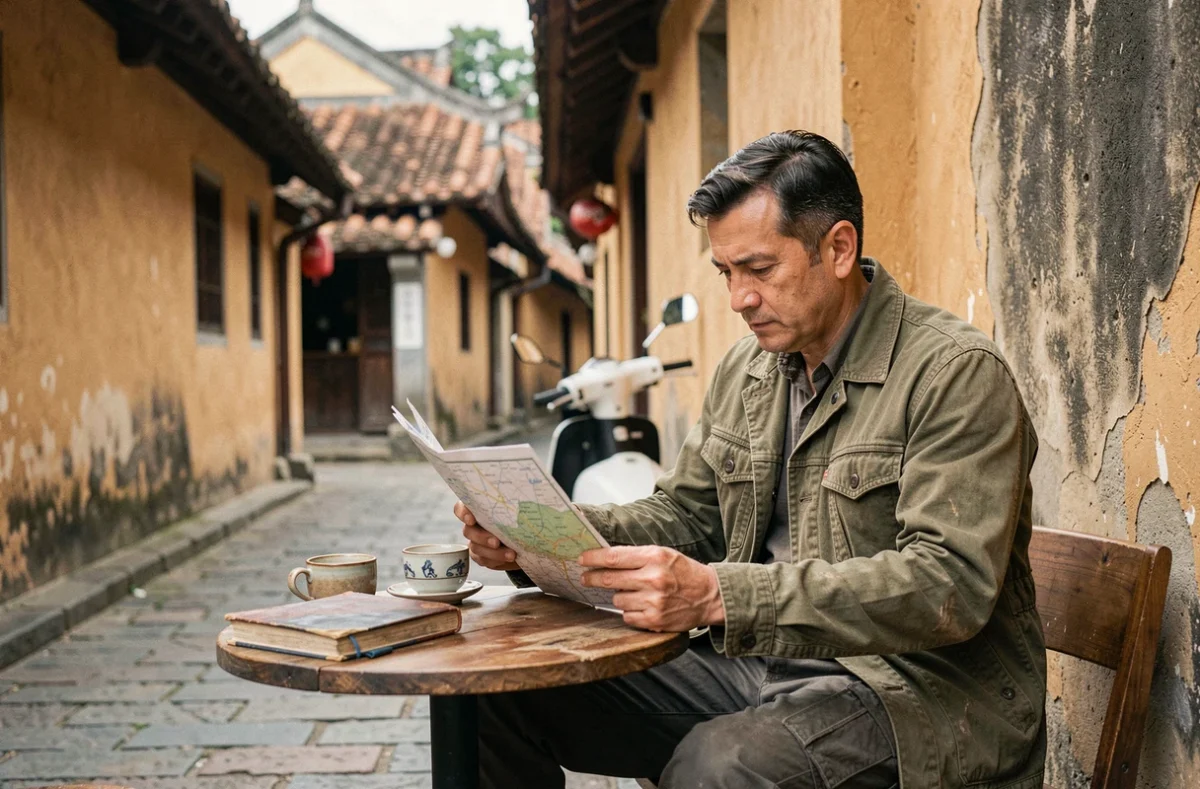
Southeast Asia remains one of the most sought-after regions by French travelers. Vietnam attracts visitors for its terraced rice fields, street food, and pristine coastlines. However, the high season concentrates most visitors on the same routes, between Hanoi, Ha Long Bay, and Ho Chi Minh City.
Traveling between September and November radically changes the experience. The central part of the country experiences its rainy season, but the north and south remain accessible. Accommodation prices drop, and the most visited sites regain a pleasant calm.
The idea is not to give up on popular destinations but to approach them differently. Instead of the crowded Ha Long Bay, Ninh Binh province offers comparable karst landscapes with a fraction of the visitors. It’s the same principle as favoring inland Veneto over Venice in the height of summer.
Nature and hiking in Europe: destinations accessible without long-haul flights
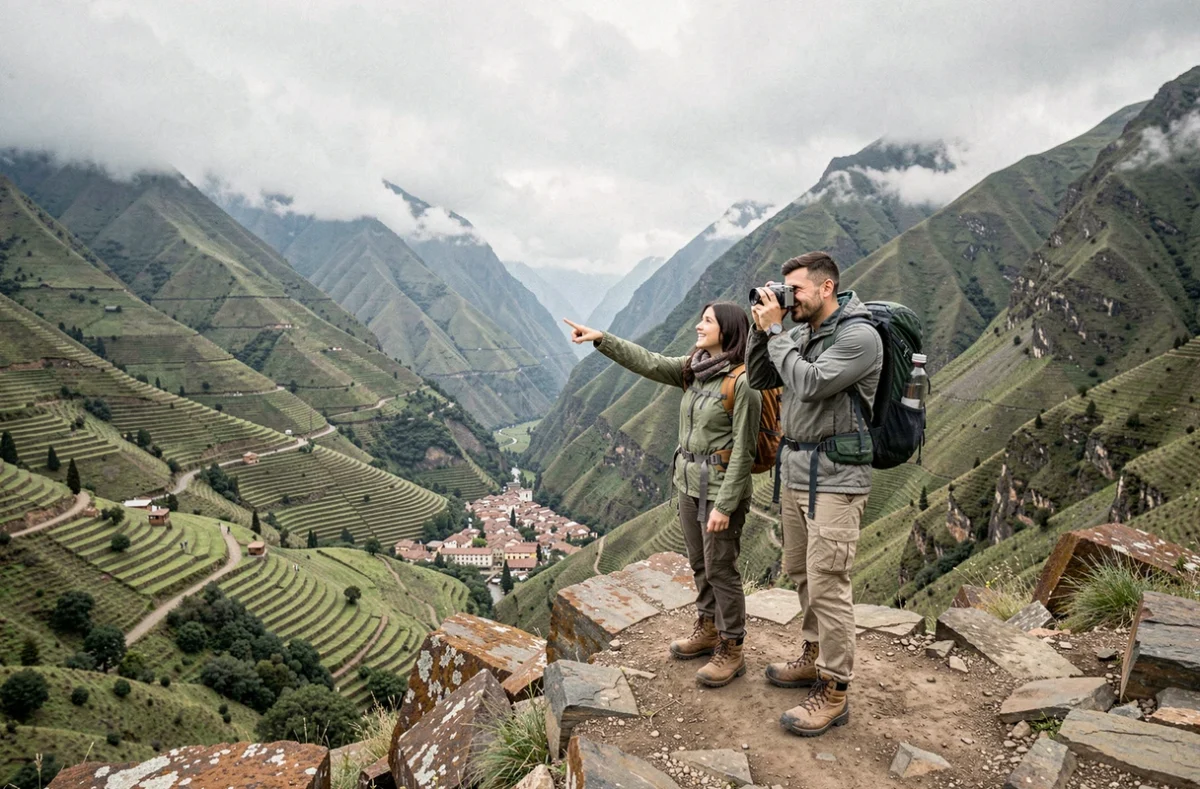
For travelers who prefer to limit their footprint, Europe is full of often underestimated nature destinations. The Swiss mountains are dreamy, but the Balkan ranges in Albania or Montenegro offer equally spectacular trails.
The Balkans combine preserved nature, moderate costs, and low tourist traffic. National parks rarely impose quotas simply because the visitor numbers remain reasonable.
Here are some concrete criteria to evaluate a hiking destination this year:
- Existence of quotas or mandatory reservations on main trails (a sign of already identified over-tourism)
- Accessibility by train or bus from France, to reduce the impact of air travel
- Availability of accommodations with locals or in guesthouses, which redistribute income locally rather than to hotel chains
- Timing adjusted away from French school holidays
Albania, for example, is ideally visited in June or September. Its beaches rival those of neighboring Greece, and its northern mountains are home to villages where mass tourism has not yet penetrated.
Family destinations and islands: how to choose without worsening local pressure
Families often seek destinations that combine beaches, safety, and activities for children. The Canary Islands, Crete, or Portugal have ticked these boxes for years, but their growing popularity is putting pressure on local housing.
The real family criterion is the quality of life on-site, not just the postcard. A destination where tourist rentals have driven up rents to the point of pushing locals out no longer offers the same authenticity.
Here are some alternatives worth considering:
- The Azores, a Portuguese archipelago much less frequented than the Algarve, with natural volcanic pools suitable for children
- The west coast of Sardinia, still spared from the mass tourism that saturates Costa Smeralda
- The Croatian islands of Vis or Lastovo, accessible by ferry and equipped with simple but sufficient family-friendly infrastructure
In each case, traveling in June or September rather than July-August makes a measurable difference. Fewer crowds, lower prices, and reduced pressure on water resources, often critical on islands in the height of summer.
Entry rules for Europe: what changes for travelers
A practical point not to overlook concerns the evolution of entry rules in the Schengen area. The ETIAS system, often announced as imminent, is not yet in effect as of today. Visa-exempt travelers should check the official rules before departure rather than relying on a projected launch date.
This administrative uncertainty highlights the importance of consulting institutional websites (Ministry of Foreign Affairs, consulates) a few weeks before departure. Entry conditions can vary from one country to another, even within the European Union.
The best travel destination this year is not necessarily the most spectacular on social media. It is the one that can accommodate visitors without its residents paying the price, visited at the right season, with access rules respected. Shifting your dates by a few weeks helps reduce pressure on the most fragile sites while enjoying lower rates and more pleasant visiting conditions.