
Water damage that seeps through a ceiling, a fall down a poorly lit staircase, a bicycle blocking a hallway and causing an injury: in a co-ownership, these accidents raise the same question. Who pays?
The answer varies depending on whether the incident affects a common or private area, the status of the occupant, and the clauses of the co-ownership regulations. For a student tenant, often a first-time occupant and unfamiliar with real estate law, the chain of responsibilities can seem opaque.
Scooters, bicycles, and personal mobility devices in common areas: a growing dispute in student residences
Disputes over civil liability in common areas involving students have been increasing for several years. The main cause: the proliferation of motorized personal mobility devices (PMDs), scooters, and bicycles, stored in circulation areas that were not designed for this purpose.
A resident who leaves their scooter folded at the foot of a staircase is liable if a neighbor trips over it. The owner of the device is responsible, not the property manager, provided that the common areas meet safety standards (lighting, handrails, non-slip flooring).
However, if the accident occurs because the corridor lighting was faulty or a step was loose, the co-ownership, represented by the property manager, may be held liable for failing to maintain the common areas. Understanding the liabilities in student housing with Locama.fr helps to distinguish these two regimes before an incident occurs.
In student residences managed by social or private landlords, internal regulations have begun to include specific clauses: prohibition of parking a PMD anywhere other than in a designated area, obligation to remove batteries for charging in the room. Non-compliance with these clauses may constitute grounds for exclusion of coverage by the tenant’s insurer.
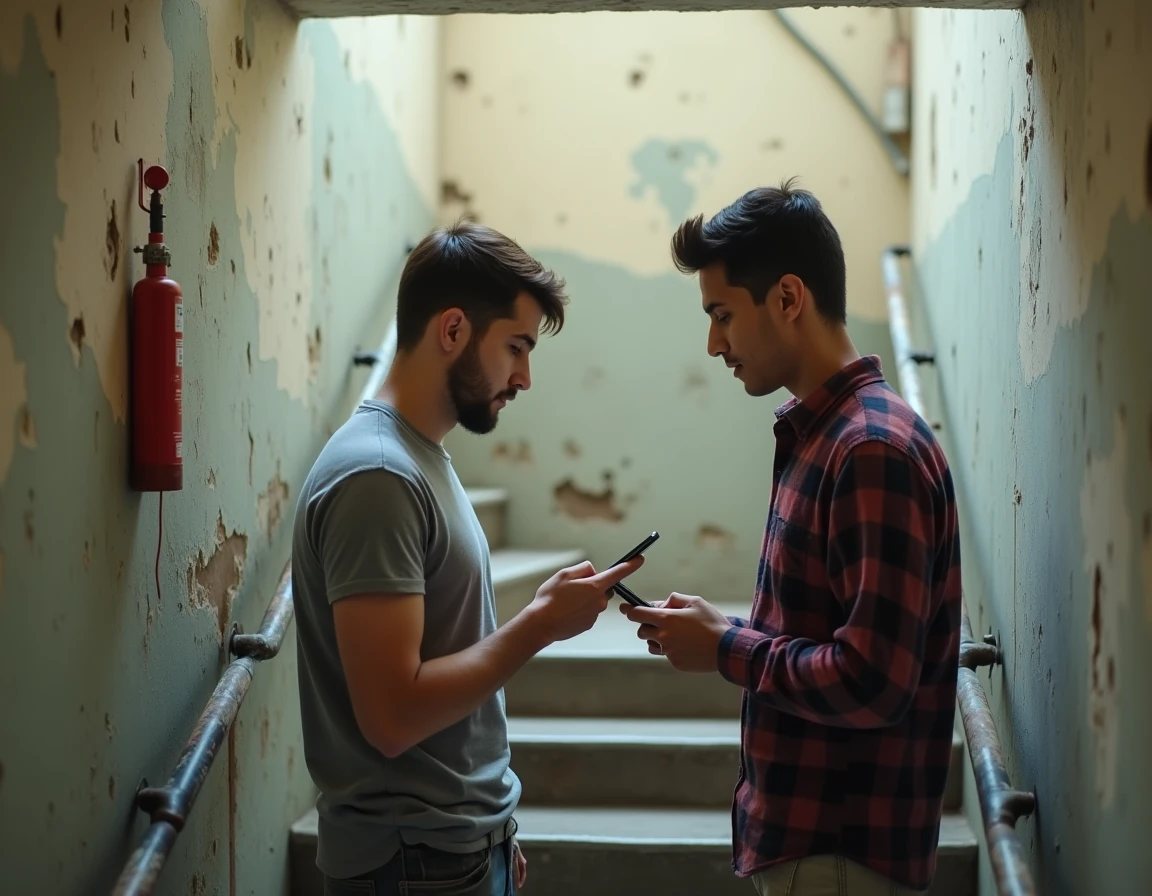
Student housing insurance and incidents in co-ownership: who reports, who compensates
The law requires every tenant, including those in CROUS university residences, to provide proof of housing insurance before receiving the keys, and then annually. Lack of insurance can lead to lease termination or forced subscription by the landlord, with possible increased costs.
The minimum contract covers rental risks: fire, water damage, explosion. This coverage protects the landlord against damages caused to the building by the tenant. It does not cover the tenant’s personal belongings or damages caused to neighbors.
For the latter, it is the civil liability coverage that comes into play. Water damage originating from a poorly connected washing machine in a student studio that damages the apartment below activates this coverage. The report must be made by the tenant to their own insurer.
IRSI Agreement and low-value claims
For claims whose amount remains below a threshold defined by the IRSI agreement, it is the insurer of the occupant of the damaged unit who manages the file, regardless of the source of the damage. This agreement simplifies the process by avoiding back-and-forth between the insurers of the tenant, the landlord, and the co-ownership syndicate.
In practice, the affected student contacts their insurer, who handles the assessment and compensation, and may subsequently seek reimbursement from the responsible insurer. The property manager only intervenes if the common areas are involved.
Co-ownership regulations and specific clauses for student residences
The co-ownership regulations are the pivotal document. They define what falls under common areas (roof, façade, vertical pipes, staircases, elevators) and private areas (inside the housing unit, floor coverings, private sanitary facilities).
In recent student residences, managers have strengthened clauses related to the provided equipment. The most common points of friction include:
- The prohibition of using non-compliant cooking plates or space heaters, under penalty of loss of coverage in case of fire
- The obligation to maintain the smoke detector installed by the landlord in working order, with responsibility potentially transferred to the tenant in case of an incident if the detector has been disabled
- The distribution of responsibilities in case of fire in a kitchenette equipped by the landlord, which depends on the origin of the fire (defective provided appliance or misuse by the occupant)
A student who plugs a space heater into an overloaded power strip and causes a fire is personally liable. If the fire spreads to the common areas, the property manager reports the incident to the co-ownership insurer, who will seek reimbursement from the tenant’s insurer at fault.

Claim reporting in co-ownership: deadlines and evidence to gather
The property manager has five working days to report an incident affecting the common areas to the building’s insurer. The tenant, for their part, must report to their own insurer within the same timeframe.
Immediate photographic documentation increasingly conditions the outcome of assessments. Several insurers now offer online reporting paths with the ability to upload photos and videos from a smartphone. A well-documented file from the first hours reduces the risk of disputes.
The documents to gather without delay include:
- Timestamped photos of the damage (private and common areas if accessible)
- Copy of the lease and proof of valid insurance
- Friendly report of water damage if another occupant is involved
- Letter or email to the property manager reporting the incident, even if the formal declaration is the responsibility of the latter for the common areas
In case of disagreement over the origin of the incident or the distribution of costs, resorting to an insurance mediator remains an option before any legal proceedings.
The boundary between the responsibilities of the tenant, the landlord, and the co-ownership syndicate often remains blurred in practice, especially when student housing is located in a mixed building (permanent residents and students on mobility leases). Checking the coverage of one’s housing insurance contract and reviewing the co-ownership regulations before moving in remains the best protection against an unanticipated dispute.