
The sports market is undergoing a period of accelerated restructuring. Between the rise of connected tracking tools, new regulatory requirements for the eco-design of equipment, and an institutional framework that encourages sports practice towards care, the usual reference points for practitioners are shifting. Understanding these movements allows for more informed choices, whether it’s for a first equipment purchase, a change of discipline, or an adjustment to training routines.
Adaptive coaching and embedded sensors: what AI really changes in sports training
The latest generations of Garmin, Apple, and Polar watches, released between 2024 and 2025, incorporate adaptive coaching algorithms. The principle: sensors continuously measure heart rate, heart rate variability, sleep, and training load, then the device adjusts session recommendations in real-time.
What distinguishes these tools from simple activity trackers is the detection of training overload. When the algorithm detects an imbalance between load and recovery, it suggests a reduction or a rest day. For a weightlifting or running enthusiast, this function reduces the risk of injury related to overtraining.
Practitioners looking to structure their progress without going through an individual coach find concrete support in these tools. On So Sports, user feedback on these connected devices shows that adoption is rapid among regular athletes, provided that algorithmic suggestions are not confused with medical diagnoses.
However, the reliability of these sensors varies depending on the type of sport. Wrist heart rate data remains less accurate during jerky movements (combat sports, weightlifting fitness) than during a cycling outing or a running session.
Sustainable sports equipment: what the new European regulations impose
Major equipment brands, Nike, Adidas, Decathlon, and On, launched in 2024-2025 ranges focused on sustainability and reparability. Recyclable shoes, textiles made from recycled materials, in-store repair services: these initiatives respond to new European regulations on environmental labeling and eco-design.
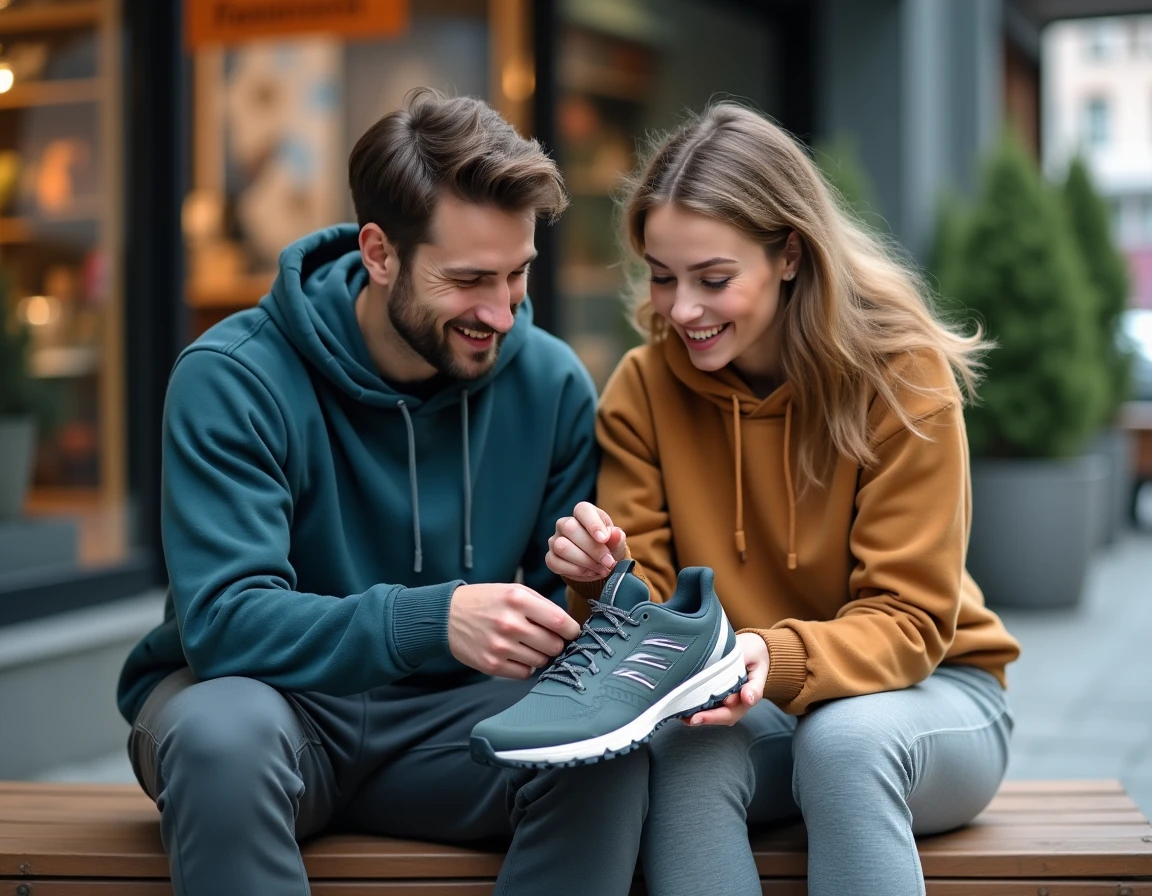
For the practitioner, this concretely changes the choice of equipment. A pair of running shoes displaying an environmental score becomes a selection criterion on par with cushioning or weight. Fitness accessories follow the same trend, with mats, resistance bands, and dumbbells made from recycled materials.
What environmental labeling changes for the buyer
The environmental labeling, currently being deployed, assigns a score to sports products based on their ecological impact. The available data does not yet allow for conclusions about the actual effect of this labeling on purchasing behaviors. Field feedback varies on this point: some distributors observe marked interest, while others find that price and comfort remain the primary criteria.
- The “recyclable” running shoes offer a return in-store at the end of their life to be crushed and reintegrated into new soles.
- Sports textiles made from recycled polyester display technical performances comparable to virgin fibers, according to manufacturers’ catalogs.
- Repair services (stitching, soles, zippers) extend the lifespan of equipment by several seasons.
The real change lies in the purchasing logic: maintaining and repairing rather than systematically replacing.
National Sport Health Plan 2024-2028: a framework that structures the offer for practitioners
The National Sport Health Plan 2024-2028 encourages leisure sports practice (active walking, cycling, gentle weight training) and structures the offer of programs for the general public. The recommendations focus on frequency, intensity, and practice precautions, with an emphasis on sedentary or returning participants.
This framework has a concrete effect on the ground: multiplication of supervised slots in gyms and outdoors, development of bridge programs between medical and sports, training of coaches specialized in sport-health.
Gentle weight training and leisure cycling at the center of the system
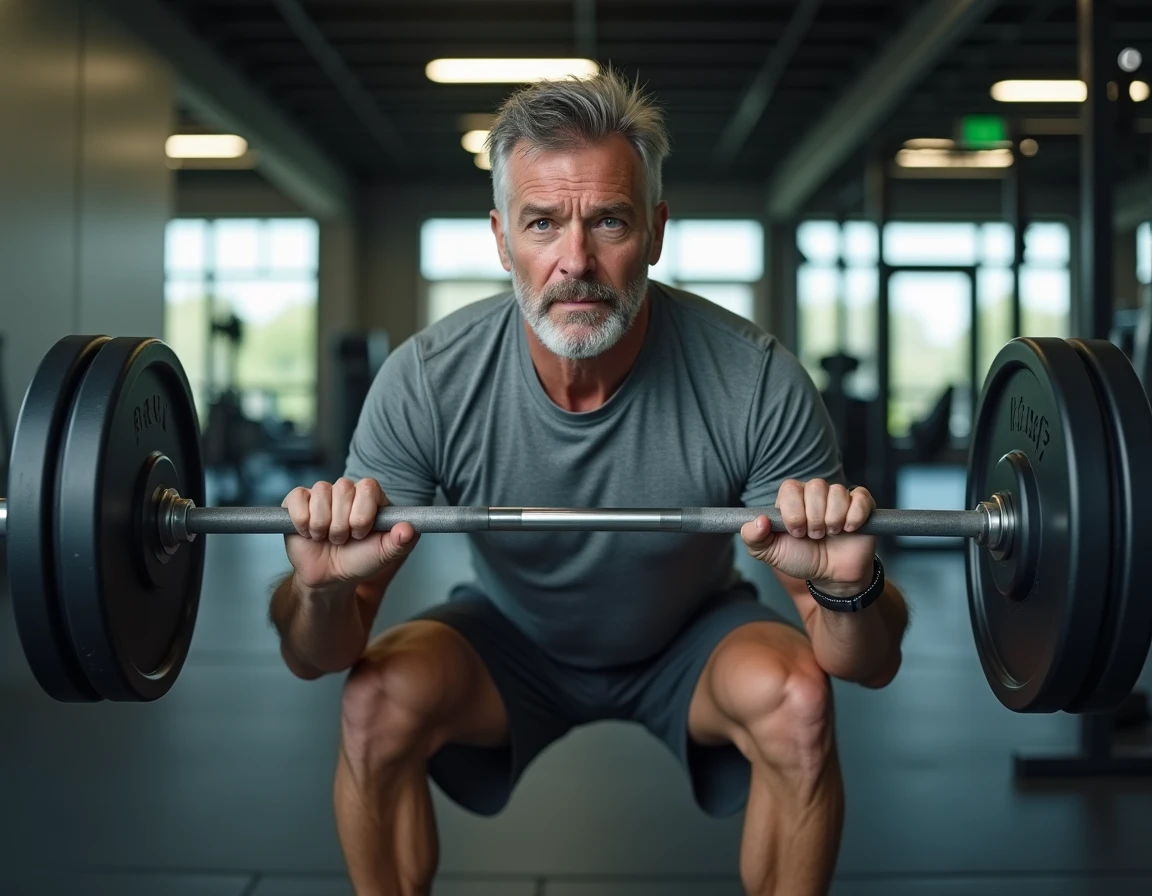
Two disciplines consistently appear in the official recommendations. Gentle weight training, practiced with light loads and long sets, improves bone density and posture without overloading the joints. Leisure cycling, at moderate intensity, constitutes accessible cardiovascular exercise for most profiles.
For sports enthusiasts already engaged in regular practice, these recommendations may seem basic. However, they serve a purpose: they provide a reference base for adjusting training during recovery phases or after an injury.
Mental well-being and sport: recent work in sports psychology
Several studies published after 2022 in sports psychology and medicine explore the link between regular physical activity and mental health. The results converge towards a positive effect of exercise on anxiety and mood, but the precise mechanisms remain debated in the scientific literature.
What interests amateur athletes is the practical aspect: the regularity of practice matters more than intensity for psychological benefits. Three to four weekly sessions of moderate intensity seem sufficient, whether in fitness, combat sports, or team sports like soccer.
- Team sports provide a social benefit that reinforces long-term adherence.
- Individual disciplines (running, weight training, cycling) offer a measurable progression framework, useful for motivation.
- Combat sports combine physical exertion and stress management through technical concentration.
The choice of discipline matters less than the ability to maintain practice over time. Suitable equipment, relevant connected tracking, and a structured framework (club, gym, online program) are the three concrete levers to transform a fleeting desire into a lasting habit.