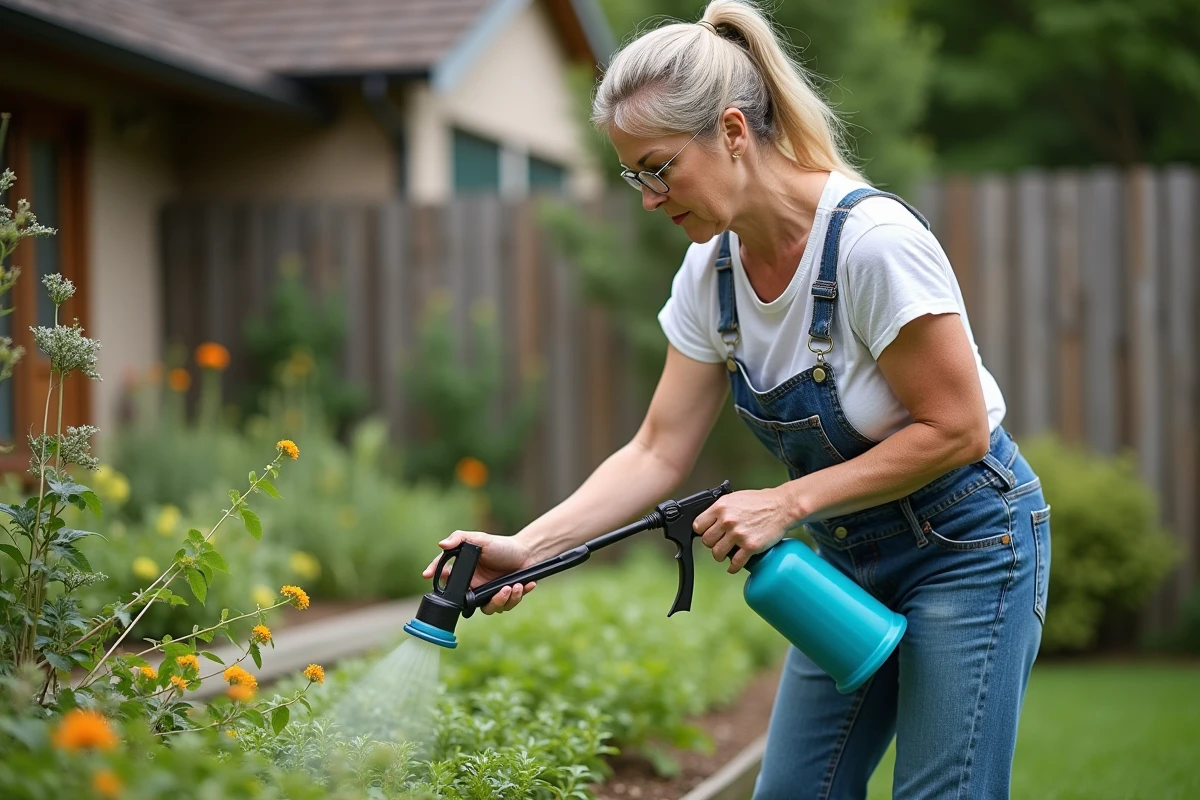
Most conventional herbicides have a limited action spectrum or leave undesirable residues in the soil. European regulations now prohibit many active ingredients that were once common in amateur gardening. Experienced users notice that some products show a gradual effectiveness, far from the instant eradication promised.
Ferber Painting offers a formula based on specific ingredients, designed to adapt to different types of surfaces and growing conditions. This product is part of a new generation of solutions, tested to limit environmental impact while ensuring a lasting result on the most common weeds.
Why choose a herbicide suitable for your garden?
In France, gardens follow one another but do not resemble each other. Each green space requires particular attention when choosing a herbicide. The nature of the soil, the presence of animals, the frequency of children, all influence the choice of the right product. Using an ill-suited herbicide risks destabilizing the soil balance, threatening local biodiversity, and affecting water quality. Traditional chemical products, such as those based on glyphosate or sodium nitrate, pose toxicity risks for users, domestic animals, and the environment. Regulations have tightened: the use of these substances is now strictly regulated, with distinct rules for individuals and professionals.
Biocontrol solutions, such as the Ferber Painting herbicide, rely on pelargonic acid extracted from plant sources. This molecule targets weeds without disrupting the microbial life of the soil. Unlike systemic herbicides, it does not migrate into groundwater and leaves no persistent traces. Choosing to apply the Ferber Painting herbicide with Jardiner Facile is to select a solution that meets safety and effectiveness expectations while respecting regulations and the natural balance of the garden.
Adapting the product to each part of the garden, whether it be a lawn, a path, a flowerbed, or a vegetable garden, becomes essential to protect edible crops and avoid the spread of active substances. Other practices complement this approach: manual or thermal weeding, the use of mulch, or even the use of selective or natural origin herbicides all contribute to a thoughtful management of outdoor spaces.
Here are the main benefits to remember when choosing a suitable solution:
- Protection of soils and water
- Reduction of risks for children and animals
- Compliance with legal and health requirements
Taking the time to select a suitable herbicide is to commit to a responsible approach, attentive to everyone’s health and the preservation of the environment.
How to effectively use the Ferber Painting herbicide: practical tips and mistakes to avoid
Using the Ferber Painting herbicide requires precision and method. This product, based on plant-derived pelargonic acid, acts quickly on weeds through a contact effect while preserving soil life. Before acting, it is recommended to prepare the area: clear it of debris, then assess the surface to be treated.
For effectiveness to be achieved, certain conditions must be met: choose a dry day, without wind, with a temperature above 15°C. Use a clean and well-adjusted sprayer to avoid any accidental spraying on plants to be preserved. The dosage indicated in the instructions must be strictly followed: increasing the dose endangers neighboring plants, while reducing it weakens the result.
User protection should never be neglected: gloves, goggles, and a mask if necessary, are essential to limit skin contact or inhalation. Never treat near a water point, a playground, or a vegetable garden, in accordance with regulations. After use, be sure to thoroughly clean the equipment with clear water and store the herbicide in a closed place, inaccessible to children and animals.
To avoid unpleasant surprises, keep these essential points in mind:
- Follow the instructions and the weather
- Protect the plants to be preserved
- Ensure traceability of interventions
It is these simple gestures, combined with adherence to safety instructions, that allow for effective and sustainable weeding while preserving the biodiversity of the garden.
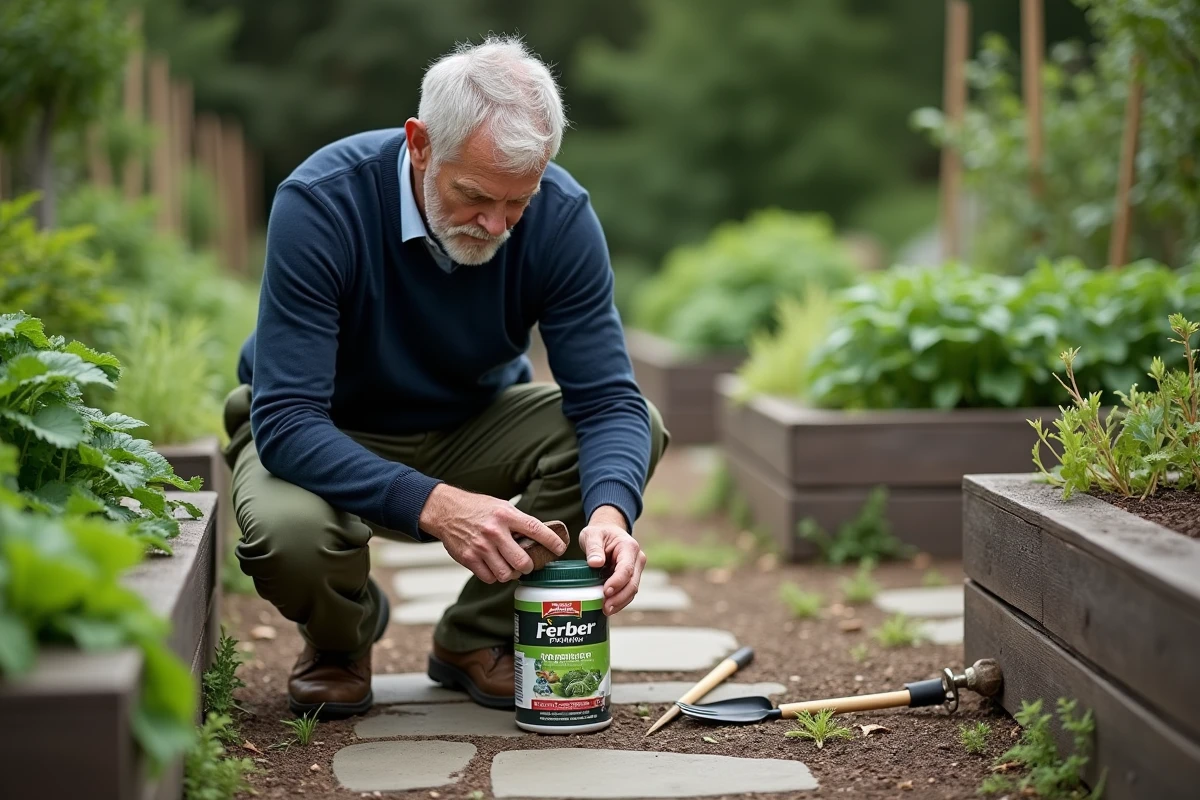
Maintaining your garden sustainably after weeding: good practices and tips to limit the return of weeds
Once the Ferber Painting herbicide has been applied, the work is not finished. Leaving bare soil, even carefully cleaned, opens the door to a new invasion of weeds. To avoid this scenario, mulching is essential: a layer of bark, straw, or shredded material protects the soil, slows the germination of unwanted seeds, retains moisture, and nourishes underground life.
Another effective strategy: densifying plantings. By bringing perennials, ground covers, and shrubs closer together, the space and light available for weeds are reduced. The result: stronger flowerbeds, less maintenance work, and enhanced biodiversity.
Regular vigilance remains essential. Inspect paths, flowerbeds, and borders: any regrowth must be pulled out by hand before it takes root. In sensitive areas, near a water point, a vegetable garden, or a playground, it is better to rely on hoeing, manual weeding, or the occasional addition of mulch, without resorting to chemical products.
Preventing rather than curing: this is where the key to sustainable and earth-friendly maintenance lies, far from the spiral of systematic treatment.