
Livestock farming is a traditional investment sector that can prove to be very lucrative. However, not all animals offer the same return on investment. Some stand out significantly in terms of profitability due to market demand, production costs, and ease of management. Farmers often lean towards species that promise high profits and better resilience against economic or climatic uncertainties. Among the most profitable options are animals such as chickens for meat and eggs, cattle for milk and beef, and bees for honey.
Assessing the profitability of different types of livestock farming
The economic performance of livestock farming relies on a wise choice of species and rigorous management. Layer hens, like the Red Hen, are among the most attractive options. With a production capacity of 250 to 300 eggs per year and a modest initial cost of 15 to 20 euros, this investment can prove fruitful. A Red Hen can generate an income of 226.20 euros over three years for an annual cost of 35 euros in grain, revealing a total gain of 106.20 euros over the same period.
Investing in rabbit, layer hen, and dairy cow farming for guaranteed profitability is a relevant strategy. Rabbits, with their rapid reproduction and ability to provide a source of protein, are a serious alternative. A rabbit can produce eight babies in 45 days, requiring an initial investment of 150 euros for the hutch and a monthly cost of 1.50 euros for hay. The slaughter age is between three and four months, and the quick rotation of generations promises a steady meat production.
Bee farming also attracts attention, not only for honey production, which varies between 5 to 30 kilos per year, but also for their fundamental role in pollination. Although profitability is variable and starting requires significant investments in equipment, the decline in bee populations raises environmental concerns that could increase interest in their farming.
Goats stand out for their milk production, which can reach 2 to 3.5 liters per day. With a minimal space requirement of 200 m² for one goat and a feed cost of 2 euros per day in winter, the selling price of milk, set at 2.50 euros per liter, offers a favorable outlook. Not to mention Pekin ducks, valued for their ease of farming and rapid meat production, reaching 3.5 kg in just two months. Protection against predators remains imperative to ensure the safety and productivity of the farm.
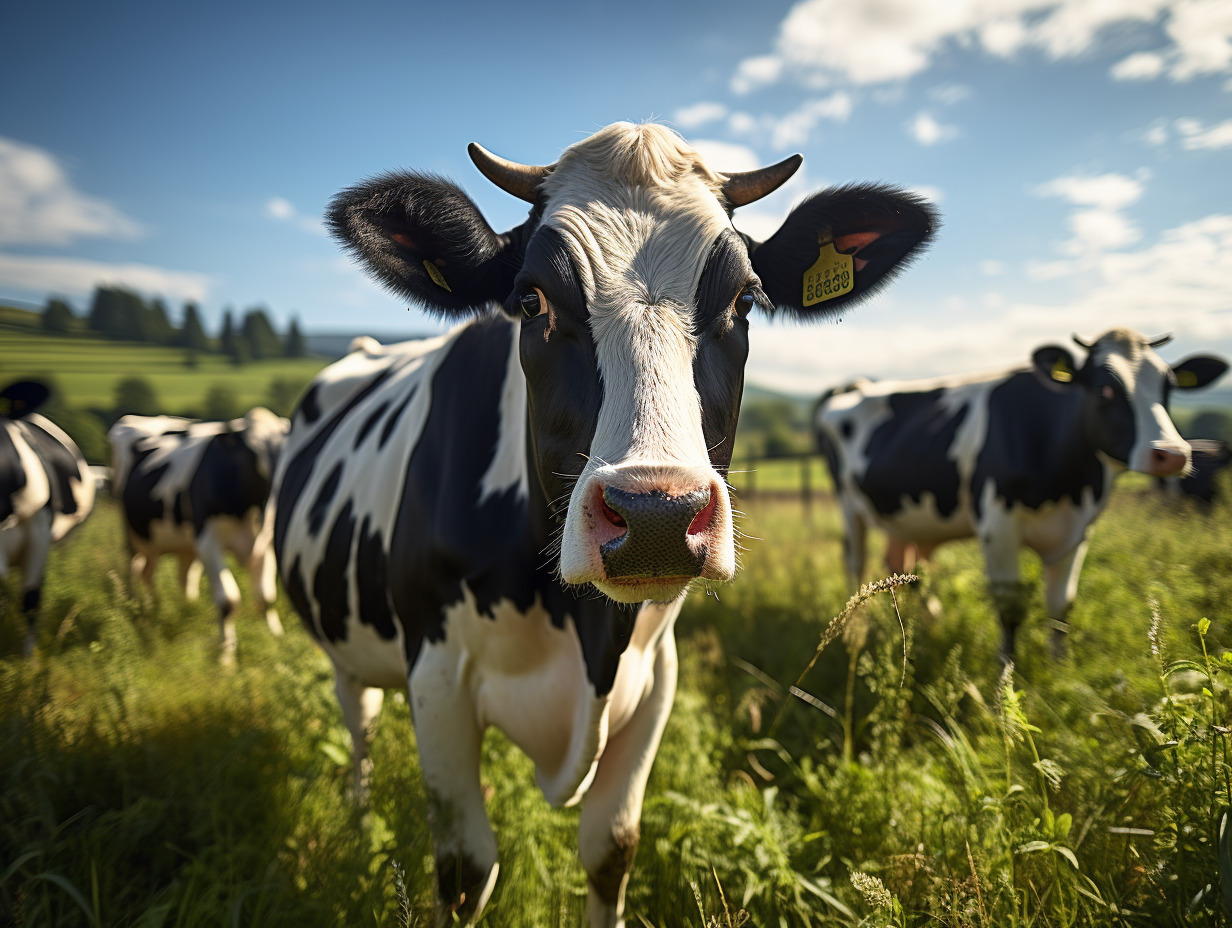
Practical tips to optimize livestock farming profits
To increase the profitability of any livestock business, integrating cost-saving strategies and aiming for the animals’ food independence are major focuses. Farmers should prioritize the use of internally produced feed or those available at lower costs. Layer hens, for example, benefit from a diet of suitable scraps and wheat grains, while avoiding harmful foods such as chocolate, potatoes, and citrus peels. Reduce feed expenses while maintaining the health and productivity of your poultry.
You need to familiarize yourself with the current legislation regarding animal farming. Regulations vary by region and can significantly influence farming practices and product marketing. Ensure compliance with health, environmental, and animal welfare standards to avoid penalties and guarantee sustainable operation. Training and information are key tools for navigating the regulatory landscape of livestock farming.
Establishing a precise business plan allows you to target financial objectives and detail the means to achieve them. Consider initial investments, operational costs, and the revenue potential of each species. For rabbits, for instance, investing in a sturdy hutch and calculating expenses for hay and diverse feed are key steps to optimize meat production. Analyzing the competition and seeking lucrative markets are also crucial for positioning your livestock business on the path to prosperity.