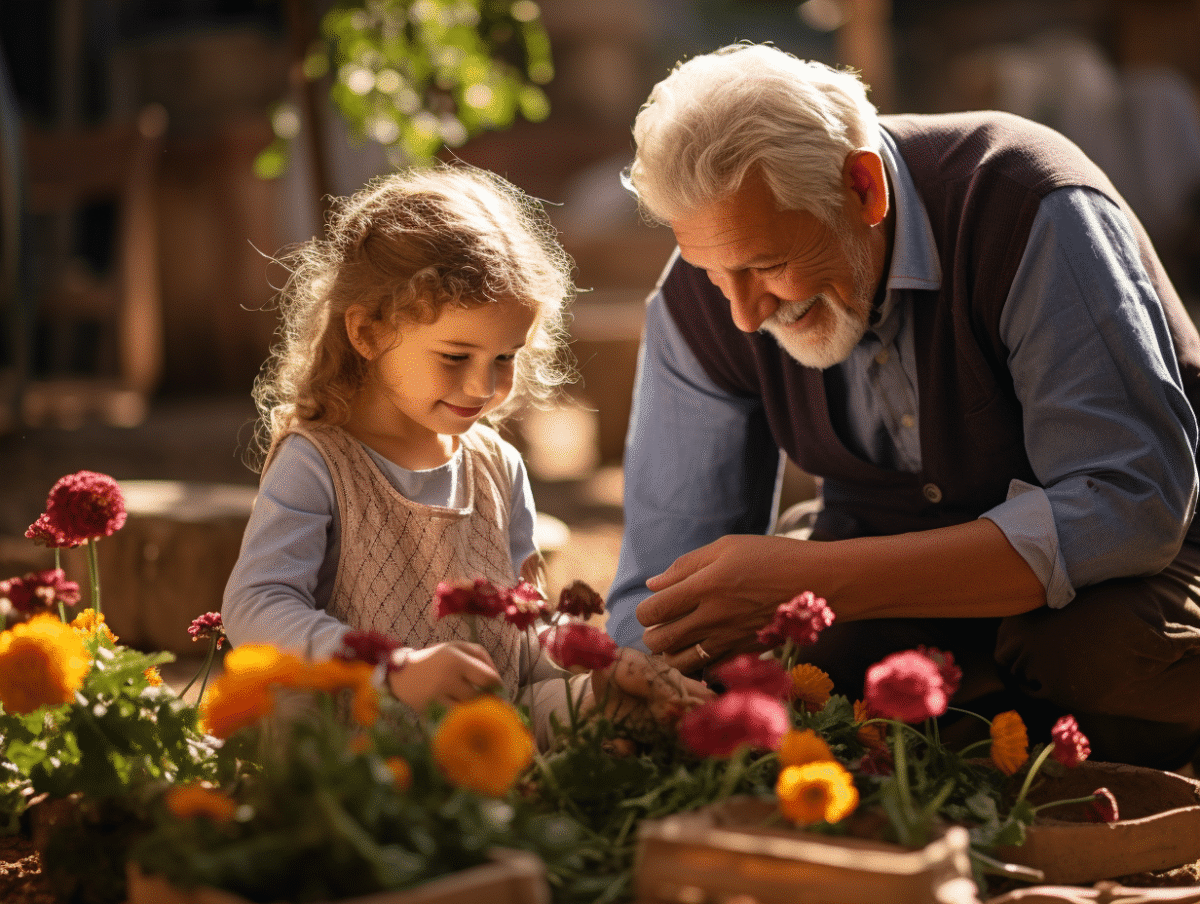
In a society where generations coexist and evolve with often contrasting realities, strengthening intergenerational ties emerges as a major challenge. Differences in perspectives, experiences, and values can create divides, but they can also offer fertile ground for learning and mutual understanding. Finding ways to encourage exchanges and solidarity between young people and the elderly is essential for building resilient communities. This involves various initiatives, ranging from mentoring programs to joint projects, that promote dialogue and collaboration across ages.
The Current Challenges of Intergenerational Relationships
The coexistence of generations is not without its frictions. Generation X and Generation Y, alongside baby boomers and the younger generations, must navigate divergent perceptions and realities. Baby boomers, often seen as a privileged generation, have benefited from privileged access to retirement and a favorable socio-economic climate, while criticisms directed at younger generations concern their early access to comfort and leisure, particularly electronic devices. This interplay between ages raises questions of recognition and belonging, which are crucial for social harmony.
The gap widens further due to a concerning phenomenon: ageism. Indeed, age-related stereotypes affect both student life and the daily lives of the elderly. In a world where ageism creeps in, the task of strengthening intergenerational ties becomes more challenging. Blog-seniors.fr reveals that the elderly often feel misunderstood and devalued, while young people perceive a lack of listening regarding their aspirations and challenges. These intergenerational tensions require nuanced solutions that can value every age group.
In response to these challenges, initiatives aimed at reconciling generations are multiplying. They seek to dismantle prejudices and build bridges between life experiences. Mutual recognition of each social group, both the elderly and the younger generations, becomes a necessity for weaving relationships based on respect and mutual aid. These collective efforts must be part of a long-term approach, where each social actor contributes to the building of a more inclusive and supportive society.

Innovative Strategies to Strengthen Intergenerational Ties
The intergenerational link, a pillar of social connection, is nurtured and strengthened through concrete actions. One of the most fruitful strategies lies in the transmission of knowledge: the elderly sharing their expertise and life experience, with younger generations drawing inspiration and knowledge from it. This dynamic of mutual enrichment is embodied in initiatives such as shared cooking workshops and technology initiation sessions, promoted by organizations like Camarage, which works for intergenerational cohabitation.
Technology, far from being an obstacle, becomes a vector of connection. The telephone, a tool mastered by seniors, and videoconferencing, increasingly favored, facilitate remote exchanges. The start-up Tous en Tandem illustrates this trend by offering virtual tours and online cultural activities, allowing the elderly to break isolation and share moments of conviviality with younger generations.
These encounters, whether physical or virtual, contribute to the mental health of participants from both age groups, combat social isolation, and stimulate intellectual activity. Intergenerational solidarity, driven by the desire to create a more cohesive social fabric, thus finds in these intergenerational activities a fertile ground for its development. The benefits of these intergenerational relationships prove essential for cohesion and well-being within society.