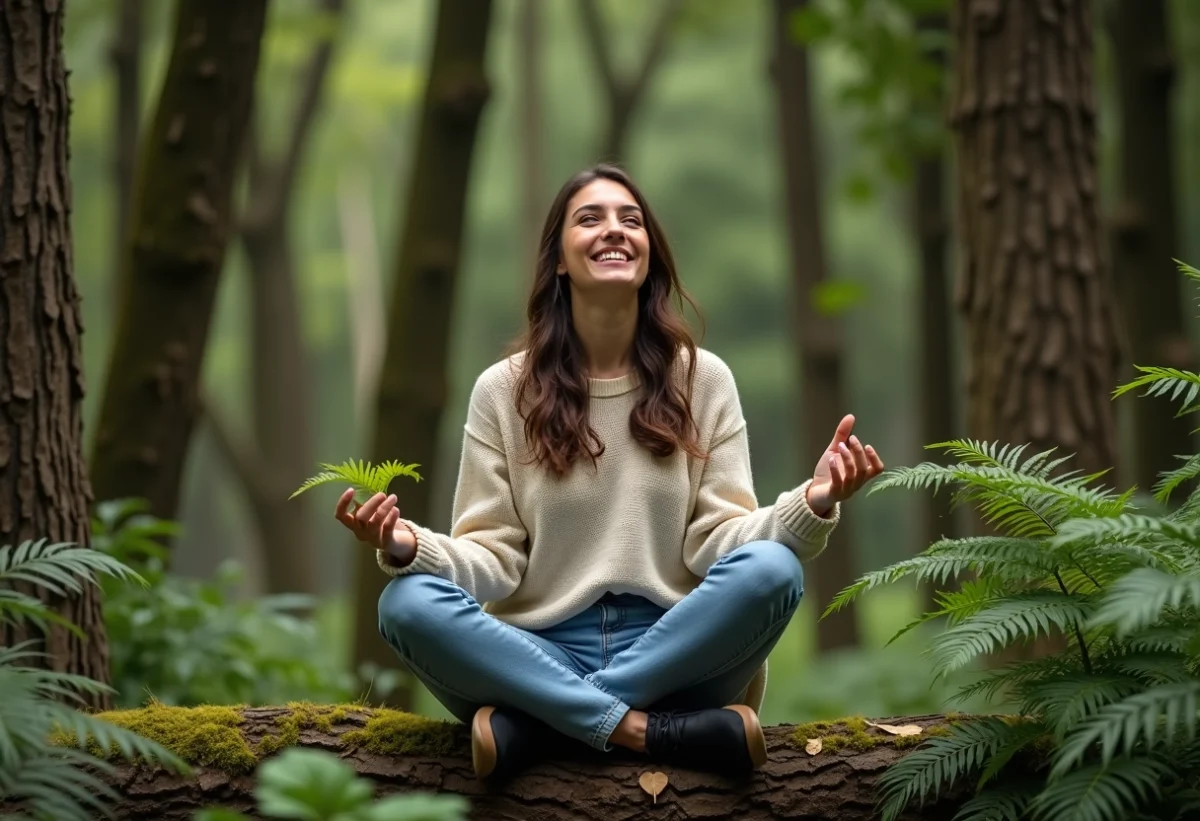
The numbers don’t lie: living just steps away from a park or a forest can add up to three years to your life expectancy compared to residents of concrete neighborhoods. The World Health Organization doesn’t mince words: nearly a quarter of premature deaths are linked to environmental factors that could be avoided. Yet modern life persists: 80% of Europeans spend more than 90% of their days within four walls.
Recent research links nature and health: regular exposure to greenery lowers stress, improves sleep, and boosts cognitive functions. Just thirty minutes a week spent outdoors can make a difference.
Why nature is essential for our physical and mental balance
Science confirms what we instinctively feel: getting closer to nature reduces nervous tension and improves mood. The World Health Organization confirms it: simply spending time in wooded areas reduces cortisol levels, the hormone associated with prolonged stress. A few minutes in a park are enough to activate the parasympathetic nervous system, which calms and promotes recovery. Conversely, the sympathetic nervous system, responsible for the typical stress reactions of city life, is hindered.
Research conducted by Dr. Louis Bherer and several teams around the world shows that regular immersion in nature stabilizes our mental balance. Issues related to environmental degradation, eco-anxiety, and solastalgia significantly decrease when we take the time to step away from the pavement. Edward O. Wilson coined the concept of biophilia: he explains this deep, almost visceral attraction to nature as a return to our roots that rekindles our capacity for adaptation and resilience.
But the impact doesn’t stop at the psychological sphere. The body benefits just as much. Lower blood pressure, deeper sleep, reduced cardiovascular risk: nature acts on multiple levels and restores everyone’s creative breath. To go further and integrate these practices into your daily life, visiting the L’Esprit Nature website can provide concrete avenues to feel the soothing power of nature.
What concrete benefits does nature bring to our daily health?
Taking the time to breathe in the heart of a forest, walking along a river, listening to the wind in the trees. These simple and regular gestures are the foundation of solid health. The University of Michigan has highlighted a striking phenomenon: visiting green spaces increases creativity and the ability to concentrate. Those who take breaks in nature find their attention restored and their mental fatigue diminished.
On the physical side, the benefits are tangible. Walking in the forest helps maintain cardiovascular health, limits the risk of type II diabetes, and delays neurodegenerative disorders. Trees release phytoncides, natural molecules that boost our immune defenses. And daylight, captured outdoors, stimulates the production of vitamin D, essential for the body’s proper functioning.
Contact with nature also acts as a lever against anxiety and depression. Meditating outdoors, gardening, touching the earth, or simply observing the variety of shapes and colors calms the nerves. For children, regular access to nature promotes concentration and facilitates learning. Even in the city, parks and public gardens offer a respite from the hustle and pollution.
Here are the remarkable effects that nature can have on your health over time:
- Increased creativity and concentration
- Strengthened immune system
- Improved sleep quality
- Reduced risk of chronic diseases
Simple ideas to invite nature into your routine and boost your well-being
Several studies show that just a few minutes spent outdoors can transform the perception of stress. Integrating a daily walk in a park, taking a break under the trees, or enjoying the pleasure of observing light through the leaves. Far from being trivial, this ritual regulates the activity of the nervous system, lowers cortisol levels, and calms the mind.
For city dwellers, urban parks and gardens are true havens. Eating outdoors at lunchtime, even on a bench surrounded by a few plants, already offers a beneficial break. Gardening, whether in the ground or on a windowsill, also brings its share of benefits: sowing, watering, and watching things grow stimulates creativity and concentration.
Outdoor meditation, or shinrin-yoku, this forest bathing from Japan known for its therapeutic virtues, can also be incorporated into the routine. Taking the time to sit, close your eyes, listen to the sounds, and smell the scents allows for deep relaxation and better emotional management.
Here are some simple practices to integrate to open up to the benefits of nature:
- Gentle and regular walking in the forest or park
- Gardening in the ground or on a balcony
- Meditation or reading under a tree
Nature remains within reach: accessible, concrete, far from artifice. Integrating these gestures into daily life is choosing to give your body and mind the breath they so desperately need. Sometimes, just a handful of minutes outside is enough to change the color of a day.