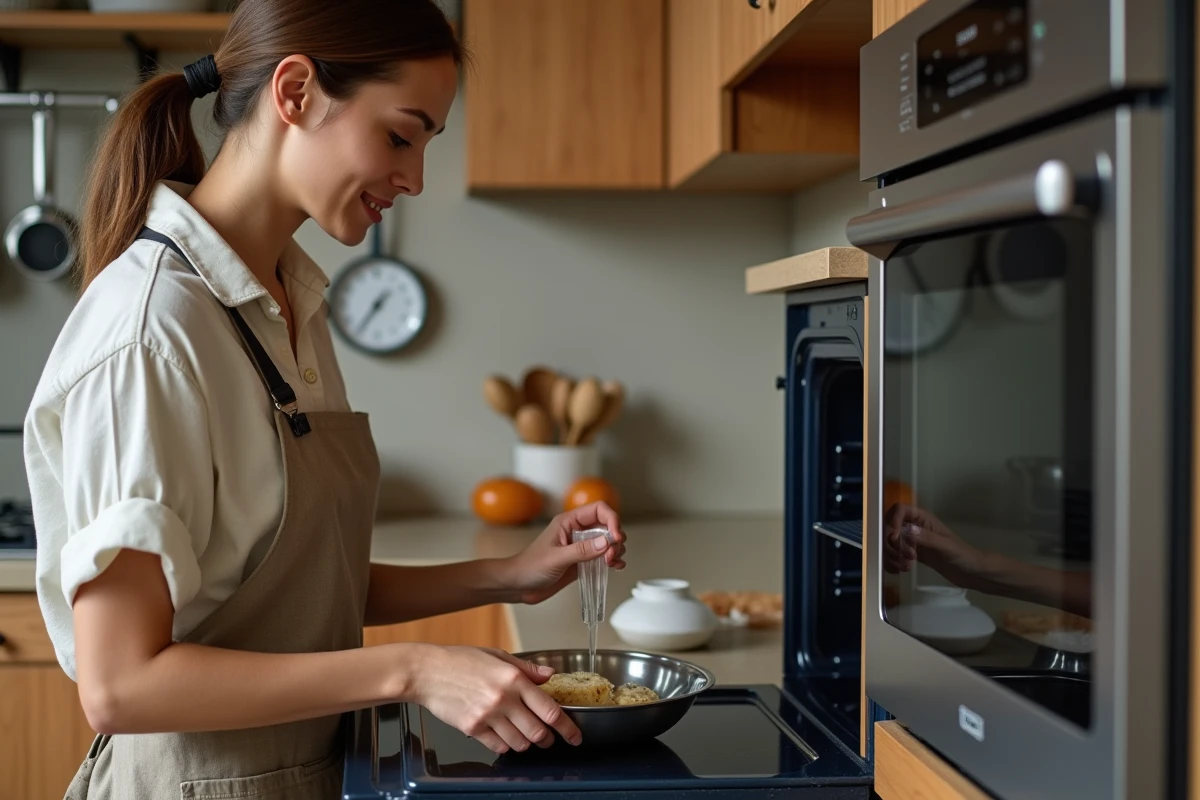
Adding water to a hot oven is not a matter of superfluous refinement or a gesture reserved for an elite of cooks. This act, which might go unnoticed, profoundly changes the transformation of dough, vegetables, or meat under the effect of heat. The steam, invisible but decisive, is responsible for the golden appearance of breads, the generosity of a crumb, and the tenderness of meats. Yet, few think about it each week when putting a batch in the oven or starting their Sunday gratin. Here, it is neither a fleeting whim nor a dated gesture: it is concrete, science applied to indulgence.
What really happens when you add water to a hot oven
An oven that operates dry is the fast track to dishes that lack flavor, take on a hard texture, or dry out completely. By adding a little water just before cooking, the steam envelops your bread, vegetables, or meats in essential moisture. The result: crusts become light, the crumb of the bread remains soft, the vegetables vibrant, and the meat retains all its tenderness.
This extra humidity does not just stay on the surface: it slows down drying, gives aromas time to develop, and allows colors to shine. Gratin dishes become more tender, meats do not turn fibrous, and flavors become more pronounced.
If this topic intrigues you, discover the benefits of adding water during cooking to better understand why this detail makes such a difference.
When it arrives at the table, the contrast is striking:
- A bread with a thin, golden, and crispy crust, far from the compact breads of dry cooking.
- Intact vegetables, with tender flesh, and vibrant colors that stimulate the appetite.
- A gratin that does not stick, with an airy texture, easily served with a spoon.
It is impossible not to notice the change: each bite reveals the benefits of this discreet steam, the intact aromas, and a new indulgence.
The real impact on dishes and health
Using steam during oven cooking alters the entire outcome. The bread remains soft without the need to add much butter or oil. As for gratins, custards, and meats, a passage in a humid atmosphere prevents them from drying out. They retain their creaminess, remain digestible, and offer more natural textures.
Beyond taste, cooking with water has a visible effect on the preservation of vitamins. A humid environment protects fragile nutrients and aids digestion. Forget tough crusts or heavy dishes; the plate naturally lightens.
What actually happens thanks to this simple technique? Here’s what better steam management can transform in your kitchen:
- Preservation of vitamins and minerals in vegetables and meats, superior to dry cooking;
- Reduction in the amount of fat required, with steam providing creaminess where fat was dominant;
- Respect for natural flavors, without cooking altering the identity of the main ingredients.
Little tip: for vegetables, using low-mineral water gives even more vibrancy to colors, especially with carrots, broccoli, or leeks. Try it on your next casserole.
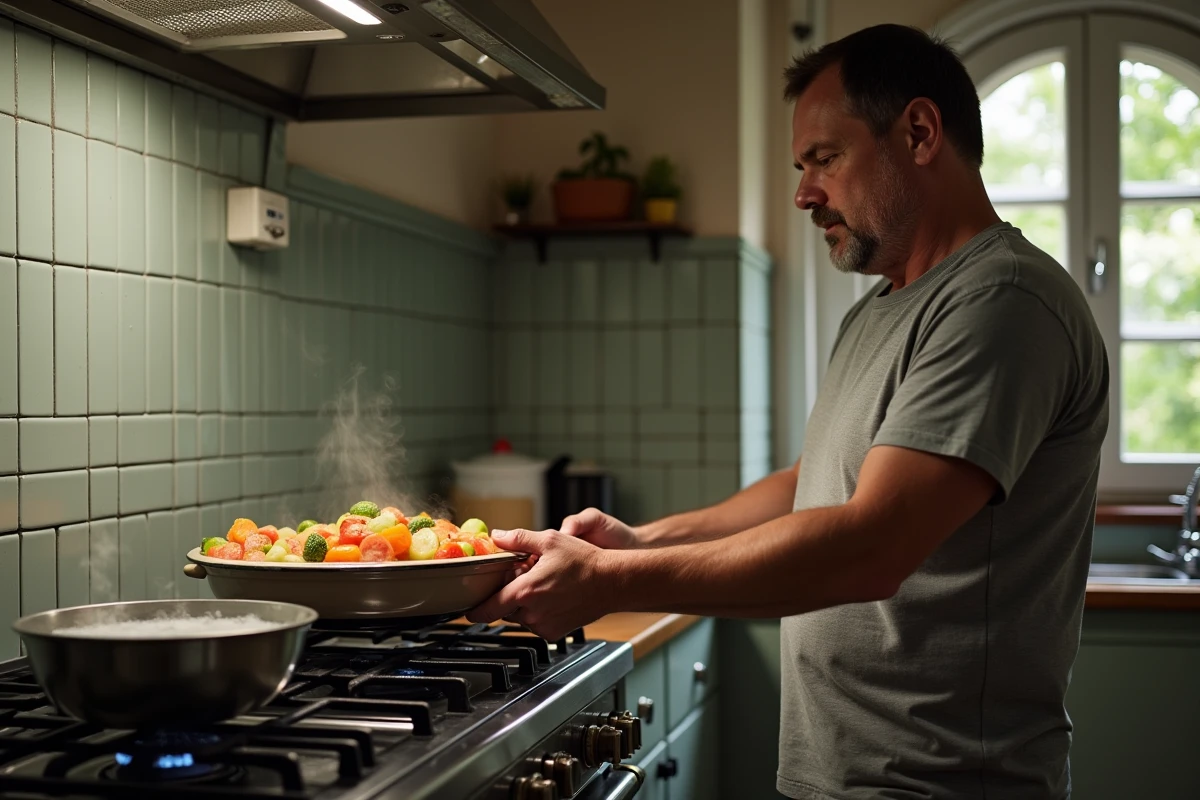
How to use water in the oven and succeed in your cooking?
No need for chef equipment. Simply place a metal or ceramic container in the bottom of the oven, pour in water just before cooking. Let the steam do its job throughout the entire baking time. This technique adapts to all skill levels from the very first attempt.
To refine your approach based on the type of preparation, consider these few guidelines:
- With bread or stews, prefer a large container to evenly distribute the steam;
- Add the water at the moment of placing in the oven to activate the magic of steam right from the start;
- Count on two cups of water for a standard oven, more or less depending on the amount of food to cook.
For flans and custards, prefer a water bath. You can also flavor the water with some herbs or a citrus zest, adding a subtle note to your dessert.
A little extra: save the leftover water from the dish once cooking is done. It sometimes takes on the flavor of the ingredients cooked in the oven and can be used to thin a sauce or enrich a puree. Mastering humidity accompanies the dish right to the final seasoning.
This simple gesture transforms the way heat changes your food. A few drops in the bottom of the oven, and the whole table is enriched daily with new pleasures, carried by the discreet generosity of steam.